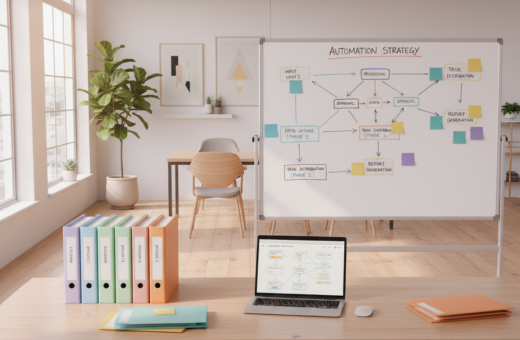
Ben Kazinik noted on March 29, 2026, that many traditional processes fail because they live apart from the actual work teams do each day.
By moving from static files to dynamic templates embedded in a project page, teams keep planning, design, and approval inside the same system. This change saves time and cuts manual effort while keeping brand quality intact.
A well-designed template ties high-level strategy to the small tasks that make projects succeed. Automation of routine steps prevents bottlenecks and keeps information current for everyone involved in collaboration and management.
For businesses and marketing teams, the clear way forward is to set up a structured process that tracks every step, reduces redundant work, and lets people focus on creative output rather than coordination. This approach makes complex projects manageable and repeatable.
Understanding the Role of Creator Workflow Templates
Well-designed process blueprints let teams repeat success without reinventing each task. These blueprints act as a clear map for planning, design, and approval inside a single project page.
monday work management shows how dynamic templates automate task progression and notifications. That automation removes manual status checks and saves time for creative work.
Microsoft Business Central also provides MS-prefixed examples that simplify complex approval processes in ERP systems. Those ready-made items help teams get started fast, without building every step from scratch.
When a team uses consistent workflow templates, collaboration improves. Roles and responsibilities become clear, planning captures best practices, and projects run more predictably.
- Repeatable quality: Standards travel with the template so each project meets expectations.
- Less friction: Keeping the template on the main page reduces app switching.
- More focus: Automation routes effort toward high-value creative tasks.
Why Static Documentation Often Fails Teams
Teams lose time when essential instructions live in disconnected documents instead of the tools they use.
The Trap of Manual Translation
Static documentation in PDFs or wikis forces users to interpret how a page maps to daily tasks. That translation costs time and creates errors.
When people must rewrite steps by hand, approval and progress fall out of sync with actual project status. Users then ignore the documentation, and training becomes stale.
Rigid templates and fixed fields block teams from adapting to new questions during a live project. Forced fields add friction and encourage shortcuts.
- Outdated information: disconnected pages rarely reflect real project changes.
- Lost consistency: users create ad hoc fixes that break management standards.
- Poor adoption: training suffers when documentation is not practical.
Moving guidance into the systems where people actually work keeps information current and reduces missed deadlines across business projects.
Essential Components of Effective Workflow Templates
A strong template organizes tasks, authorizations, and handoffs so work moves without delay.
Clear work item definitions ensure every team member understands what a deliverable requires. Short descriptions and acceptance criteria cut review cycles and reduce rework.
Role assignments and authorization make decisions visible. When responsibilities appear in the project page, approval requests move faster and fewer steps stall.
Dependencies in the correct order prevent overlaps and missed handoffs. Mapping logical sequences keeps teams focused on the right tasks at the right time.
Status tracking gives real-time views of progress. Visual indicators replace lengthy status meetings and save time across management and execution.
Built-in communication touchpoints let reviewers receive context with each request. That reduces clarification loops and preserves project momentum.
Flexibility parameters keep the core method intact while allowing teams to adapt to specific needs. And automation triggers notifications so critical steps are never forgotten.
- Consistent order: A structured template delivers repeatable value for every project.
- Embedded in the workspace: monday work management enables teams to place these components where people actually do the work.
Strategic Steps to Build Your Own Workflow System
Start by observing actual work.
They should track a sample project from brief to delivery to document current processes. Watching real tasks reveals handoffs, delays, and duplicate steps faster than interviews.
Identify high-impact patterns next.
Look for repeated bottlenecks and frequent approval loops. Those patterns guide which fields and automation belong in a workflow template and which steps can be removed.
Test the design with a pilot group before broad rollout.
Pilots show how the template performs in real project instances. The setup must include feedback channels so the system evolves and training stays relevant.
- Keep it lean: focus on the steps that add the most value and save time.
- Capture essentials: include fields that log information and track performance across projects.
- Automate where it helps: apply automation to reduce manual errors and speed approvals.
For a practical example of a digital content setup and how to create workflow with real project pages, review this digital content creation workflow.
Tailoring Templates for Diverse Team Needs
Different teams need different controls; a single template model must bend to each group’s pace and priorities.
Adapting for Marketing and Operations
Marketing teams need flexible fields for creative review, visual proofing, and calendar views that support iterative approval. A marketing template should include brand checks and comment threads so designers and managers move faster with clear signoffs.
Operations require high-velocity processing and error reduction. Their workflow template favors standardized requests, automated routing, and minimal manual steps to cut time and mistakes.
Centralized control lets a business enforce consistency while permitting team-level tweaks. That approach keeps authorization levels clear and enables unified performance reporting across projects.
- Client project balance: combine internal task tracking with external communication to protect trust and deliver value.
- Automation: route requests automatically so approvals land with the right person.
- Planning input: involve teams during design to match real project work and reduce rework.
Leveraging Artificial Intelligence for Smarter Processes
Smart systems now analyze project history and propose realistic timelines that help teams plan and deliver work more predictably.
Platforms such as monday work management use AI to recommend the best sequence of tasks and to suggest which fields a new project needs.
Smart templates monitor performance and flag bottlenecks automatically. They can suggest process changes that reduce approval delays and save time on repetitive tasks.
“AI can surface successful past examples to guide template design and speed setup.”
When a team creates a workflow with AI support, the system often offers examples of past projects as a starting point. That guidance shortens setup and improves design choices for each page or instance.
- Auto-build: AI can create a workflow template from historical data.
- Continuous improvement: The system recommends optimizations based on performance trends.
- Predictive alerts: Automation forecasts approval delays and notifies the right users.
These capabilities make processes more proactive. By analyzing multiple projects, AI helps teams streamline marketing and client work while keeping information current across systems.
Conclusion
Embedding repeatable processes where work happens helps teams move faster and cut errors. Implementing strong workflow templates gives a clear path for each project and keeps quality steady.
Moving away from static guides lets a team adapt as needs change. A good workflow template makes approvals and handoffs predictable, saving time and reducing missed deadlines.
To succeed, businesses must create workflow that evolves with users. Keep steps lean, measure results, and refine the system so the template supports daily project management without adding complexity.